
COVID Care at Home
What Is Coronavirus (COVID-19)?
Coronavirus disease 2019 (COVID-19) is an infectious disease caused by severe acute respiratory syndrome coronavirus 2 (SARS-CoV-2). It is a virus closely related to the SARS virus. It was earlier known by the provisional name 2019 novel coronavirus (2019-nCoV). The disease was first reported in Wuhan, China.

Epidemiology
During December 2019, health authorities in Wuhan, Hubei Province, China, observed a cluster of pneumonia cases of unknown cause. The first few cases were linked to the Huanan Seafood Wholesale Market, and therefore, the virus was initially suspected to have a zoonotic origin.
The new virus that caused the outbreak is known as SARS-CoV-2. It is closely related to several other coronaviruses, including bat coronaviruses and SARS-CoV.
How Does COVID-19 Spread?
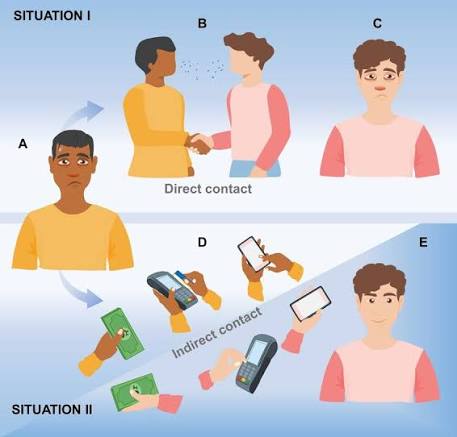
A. Person-to-Person Contact
The virus spreads mainly from one person to another. It generally spreads between people who are in close contact with each other. When an infected person coughs, sneezes, talks, or breathes, respiratory particles containing the virus can be released into the air and inhaled by nearby people.
People who are symptomatic may spread the virus, and transmission can also occur before symptoms appear or in people who never develop symptoms.
B. Contact with Contaminated Objects or Surfaces
It may also be possible for a person to contract COVID-19 by touching a contaminated surface or object and then touching their nose, mouth, or eyes. However, transmission through contaminated surfaces is not considered the primary route of spread.
Diagnosis of COVID-19
COVID-19 infection can be suspected based on a patient’s symptoms, history of exposure to infected individuals, and other relevant clinical information.
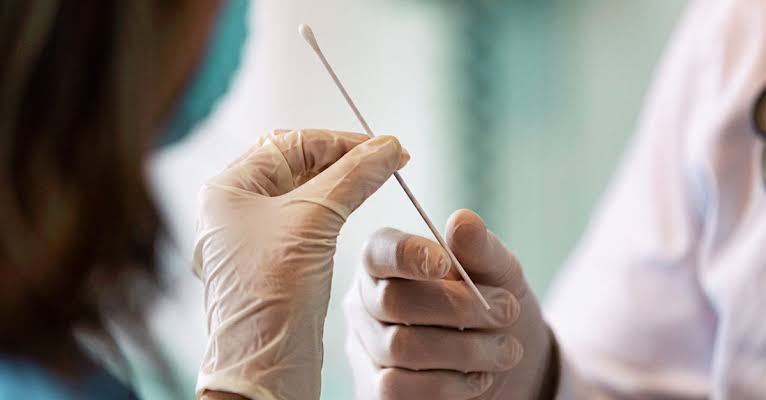
Confirmation of COVID-19 can be performed using diagnostic tests, including reverse transcription polymerase chain reaction (RT-PCR) and other approved tests, as recommended by a healthcare professional.
Symptoms and Prevention of COVID-19
Symptoms to Watch For
Reported COVID-19 illnesses have ranged from mild symptoms to severe and critical illness.
Symptoms may appear after exposure to the virus and can vary from person to person.
Common symptoms include:
- Fever
- Cough
- Fatigue
- Shortness of breath
- Headache
- Muscle pain
- Sore throat
- Sputum production
Most cases may be mild, but some can lead to severe complications, including pneumonia, respiratory failure, and other serious health problems. The risk of severe illness is higher among older adults and people with certain underlying health conditions.
Steps to Prevent Illness
Vaccination, appropriate hygiene practices, improved ventilation, and other recommended precautions can help reduce the risk of COVID-19 infection and severe illness.10
Wash and Clean Your Hands Often
Wash your hands with soap and water for at least 20 seconds, especially after coughing, sneezing, blowing your nose, or returning from public places. If soap and water are unavailable, use a hand sanitiser containing at least 60% alcohol. Avoid touching your eyes, nose, and mouth with unwashed hands.
Avoid Close Contact with Sick People
If COVID-19 is spreading in your region or community, take appropriate precautions to reduce exposure to others. This is especially important for older adults and people at higher risk of severe illness.
Stay Home If You Are Sick
If you are sick, stay home except when seeking medical care. Follow medical advice and take precautions to avoid spreading the infection to others.
How Can Heritage Health Solutions At Home Support COVID-19 Care?
Heritage Health Solutions At Home provides in-home healthcare support to help individuals access appropriate medical assistance in the comfort of their homes.
People with mobility issues or those recovering from surgery who would otherwise need to visit a hospital for medical support may be able to receive suitable in-home services, depending on their medical condition and the advice of their healthcare provider.
Have you been in contact with a person infected with COVID-19? Are you a frequent traveller? Are you above 60 years of age? Do you have diabetes or high blood pressure? Do you have flu-like symptoms? Do you fall sick often?
Contact Heritage Health Solutions At Home to enquire about appropriate medical support and home-based care options.
People with mild suspected cases or those discharged from the hospital after COVID-19 treatment may be able to receive home care services for continuity of medical care. These medical support services are provided through Heritage Health Solutions At Home’s experienced nurses, doctors, and healthcare professionals.
We also offer home quarantine services for COVID-19 and provide disinfectant kits.
Please note: Heritage Health Solutions At Home does not conduct COVID-19 tests. Please contact the relevant hospital or authorised testing facility for testing-related assistance.
Some of the Prominent Home Services Offered by Heritage Health Solutions At Home Include:
- Nursing services at home, including cancer care and nebulisation
- Nursing attendants at home
- Physiotherapy at home
- Medical equipment, including respiratory care products, oxygen concentrators, CPAP systems, and BiPAP systems
- Elder care at home
- Diabetic care packages
- Lab tests at home, except COVID-19 tests
How to Arrange Care
Discuss
Explain the patient's condition and daily requirements.
Confirm Availability
Discuss the available service, duties.
Assess Requirements
Clarify mobility, nursing needs, preferred schedule.
Begin Service
Proceed after the arrangement is confirmed.
Heritage Health Solution at Home
Frequently Asked Questions (FAQs)
Human coronaviruses can spread from a person infected with COVID-19 to other people through respiratory particles released when the infected person coughs, sneezes, talks, or breathes. Transmission can occur when nearby people inhale these particles. It may also spread through contact with contaminated hands, surfaces, or objects, although this is not the primary route.
The time between exposure to the virus and the appearance of symptoms can vary. Symptoms may develop within a few days or longer after exposure. Follow current public health guidance and consult a healthcare professional if you develop symptoms or have concerns about exposure.
Everyone should help prevent stigma and support people affected by COVID-19. The best way to combat stigma is by learning and sharing accurate information. It is important to communicate that viruses do not target specific ethnic or racial groups.
Coronaviruses are a large family of viruses. Some cause illness in humans, while others primarily infect animals. In rare cases, animal coronaviruses can infect humans and spread between people. The precise origin of SARS-CoV-2 remains a subject of scientific investigation. Other examples of coronaviruses that originated in animals and spread to humans include Middle East Respiratory Syndrome (MERS) and Severe Acute Respiratory Syndrome (SARS).
COVID-19 can cause illness ranging from mild symptoms to severe and life-threatening complications. The risk of severe illness and death varies depending on factors such as age, vaccination status, underlying medical conditions, and the characteristics of the circulating virus.
Older adults and people with certain underlying health conditions are at greater risk of severe illness.
COVID-19 vaccines are available. Vaccination can help reduce the risk of severe illness, hospitalisation, and death. Consult a healthcare professional or refer to current public health recommendations for guidance on vaccination and booster doses.
COVID-19 primarily spreads through respiratory particles. Food is not considered a major route of transmission. However, washing your hands with soap and water before preparing or eating food remains an important general hygiene practice.
Mask use depends on individual circumstances and current public health recommendations.
People experiencing respiratory symptoms may be advised to wear a well-fitting mask to reduce the risk of transmitting infection to others. Masks may also be beneficial in crowded or poorly ventilated settings and around people at higher risk of severe illness.
People with symptoms should seek medical advice when needed.
Weather and temperature alone cannot be relied upon to prevent the spread of COVID-19. Although some respiratory viruses show seasonal patterns, COVID-19 can spread in different climates and during different seasons. Appropriate preventive measures remain important.
Older adults and people with certain chronic medical conditions are at higher risk of severe COVID-19. These conditions may include heart disease, diabetes, hypertension, and lung disease. People with weakened immune systems may also be at increased risk.
If you are at higher risk of severe COVID-19, you should:
Stay up to date with recommended vaccinations.
Take appropriate precautions to reduce exposure to respiratory infections.
Avoid close contact with people who are sick.
Maintain good hand hygiene and ensure adequate ventilation.
Consider wearing a well-fitting mask in higher-risk settings.
Monitor your symptoms and seek medical advice promptly if you become unwell.
If you develop symptoms, contact your healthcare provider for advice, particularly if you may benefit from early treatment.
People experiencing symptoms such as fever, cough, or difficulty breathing, or those who have had close contact with someone infected with COVID-19, may need testing depending on their circumstances.
Contact your doctor or healthcare professional, who can advise whether testing is appropriate and which test should be used.
If you have travelled recently and are concerned about COVID-19 exposure, monitor your health and follow current travel-related public health recommendations.
If you develop fever, cough, difficulty breathing, or other concerning symptoms, contact your healthcare provider for advice. Follow any applicable testing, infection-control, or isolation guidance.